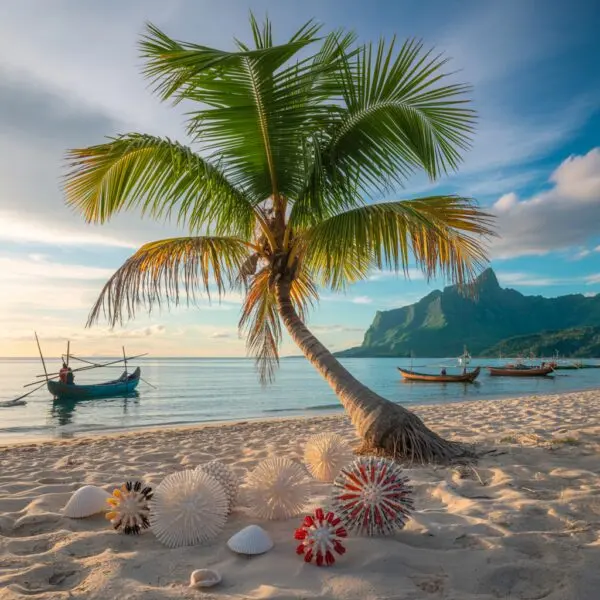

Papua New Guinea Travel Guide 2026 – Everything You Need to Know
Papua New Guinea (PNG) is one of the world’s most extraordinary and least-visited destinations – a land of volcanic mountains, pristine coral reefs, impenetrable rainforests, and over 800 distinct languages spoken by hundreds of indigenous cultures. For adventurous travelers seeking authentic experiences far from the beaten tourist path, PNG in 2026 offers something truly unique. This comprehensive travel guide covers everything from getting there and visa requirements to cultural etiquette, safety, and must-see attractions.
Essential Facts About Papua New Guinea
- Capital: Port Moresby
- Currency: Papua New Guinean Kina (PGK) – approximately 1 USD = 3.7 PGK (2026 rates)
- Language: English (official), Tok Pisin, Hiri Motu, and 800+ indigenous languages
- Time zone: UTC+10 (no daylight saving)
- Electricity: 240V, Type I plugs (same as Australia)
- Driving: Left-hand side
- International dialing code: +675
Getting a PNG Visa in 2026
Most visitors to Papua New Guinea need a visa. The most convenient option is the online e-Visa, available through the official portal. Key details:
- Tourist visa fee: approximately $100 USD
- Processing time: 5-10 business days
- Visa validity: 60 days
- Australian and New Zealand citizens are visa-free for up to 60 days
For full details, read our comprehensive PNG visa guide. It’s important to apply at least 3-4 weeks before departure.
When to Visit Papua New Guinea
Dry Season (May – October) – Best Time to Visit
The dry season offers the best overall conditions for travel in PNG:
- May-July: Ideal for trekking, diving, and highland visits. The Kokoda Track is accessible and conditions are excellent.
- August-October: Peak cultural festival season. The Goroka Show (September) and Mount Hagen Show (August) are world-famous cultural celebrations.
Wet Season (November – April)
Heavy rainfall and humidity characterize this period. However:
- Some diving locations are at their best in the wet season
- Wildlife viewing can be excellent – birds of paradise are particularly active
- Prices are lower and some areas less crowded
Getting to Papua New Guinea
International arrivals land at Jacksons International Airport (POM) in Port Moresby. Airlines serving PNG include:
- Air Niugini – PNG’s national carrier, flies from Brisbane, Cairns, Sydney, Singapore, Tokyo, and Hong Kong
- Qantas – Brisbane to Port Moresby
- Cathay Pacific – Hong Kong to Port Moresby
There are no direct flights from Europe or North America to PNG. Most travelers connect via Brisbane (approx. 2 hours from Port Moresby), Cairns, or Singapore.
Getting Around Papua New Guinea
Internal transport in PNG is challenging but an adventure in itself:
- Domestic flights: The most practical way to travel between regions. Air Niugini and PNG Air operate domestic routes. Expect frequent delays.
- Road travel: Limited paved roads; the Highlands Highway connects Port Moresby to Lae and the Highlands. Road travel is slow and can be unsafe – always use a trusted local driver or organized tour.
- Boats: Coastal travel by boat connects many island communities. Comfortable passenger ferries operate on some routes.
- PMV (Public Motor Vehicle): Budget local transport – not recommended for tourists due to safety concerns, especially in urban areas at night.
Where to Stay in Papua New Guinea
Accommodation options in PNG range from basic guesthouses to luxury resorts:
- Port Moresby: Hilton Port Moresby, Holiday Inn Express, Stanley Hotel – good options for business and transit travelers
- Diving resorts (Milne Bay, Kimbe Bay): World-class liveaboard and resort operations including Tawali Resort and Walindi Plantation Resort
- Highlands: Guesthouses and lodges in Mt. Hagen and Goroka
- Remote areas: Village guesthouses and eco-lodges, varying standards
Safety in Papua New Guinea
PNG has a reputation for crime, particularly in urban areas. Exercise caution:
- Avoid walking alone at night in Port Moresby, Lae, and other cities
- Use hotel-arranged transportation rather than hailing taxis on the street
- Keep valuables secure and maintain a low profile
- Carjackings and bag snatching occur in urban areas
- In rural and tourist areas (diving resorts, highlands villages, Kokoda Track), safety is generally good with reputable operators
- Register with your embassy and check current travel advisories
Health and Medical
- Malaria is endemic throughout PNG – take prophylaxis before, during, and after your trip
- Comprehensive travel insurance with medical evacuation is essential
- Medical facilities outside Port Moresby are very limited
- Drink only bottled or boiled water
- Apply sunscreen and insect repellent daily
Cultural Etiquette
- PNG has incredible cultural diversity – always respect local customs and traditions
- Ask permission before photographing people, especially in villages
- Dress modestly when visiting villages – cover shoulders and knees
- Accept offered food and drink respectfully when visiting communities
- Learn a few words of Tok Pisin – it is widely spoken and locals appreciate the effort
- “Waswas” (be careful) and “Tenkyu” (thank you) are useful phrases
Money and Costs
- ATMs are available in Port Moresby and major towns but unreliable in rural areas – bring sufficient cash
- USD and AUD are widely accepted at tourist establishments
- Budget travelers: approximately $100-150 USD per day
- Mid-range: $200-400 USD per day
- Luxury (diving resorts): $400-800+ USD per day
Frequently Asked Questions
Is Papua New Guinea safe to visit in 2026?
PNG requires more caution than typical tourist destinations, particularly in urban areas. However, thousands of tourists visit safely each year through organized tours to specific areas like diving resorts, the Kokoda Track, and highland festivals. Preparation, reputable operators, and following local advice are key to a safe visit.
How much does a trip to Papua New Guinea cost?
PNG is not a budget destination. A comfortable 10-day trip costs approximately $2,000-4,000 USD excluding international flights, covering visa ($100), accommodation ($80-300/night), internal travel, meals, and activities. Diving resort packages can cost $500-800+ USD per day all-inclusive.
What is the best thing to do in Papua New Guinea?
Top experiences include world-class scuba diving in Milne Bay and Kimbe Bay, trekking the historic Kokoda Track, attending cultural festivals (Goroka Show, Mount Hagen Show), birdwatching for the iconic Birds of Paradise, and visiting highland villages to experience unique traditional cultures.